Dejar un mensaje
Si está interesado en nuestros productos y desea conocer más detalles, deje un mensaje aquí, le responderemos lo antes posible.

Los programas de membresía y fidelización se utilizan ampliamente en sectores como el comercio minorista, el fitness, la hostelería, el entretenimiento y los eventos. Las empresas confían en estos programas para mejorar la retención de clientes, aumentar la interacción y construir relaciones a largo plazo. A medida que aumentan las expectativas de los clientes, las empresas necesitan una identificación más rápida, un mejor seguimiento de los datos y experiencias de usuario más fluidas.
La tecnología RFID ofrece una solución práctica al permitir la identificación sin contacto y la interacción en tiempo real. Mediante el uso de tarjetas, pulseras o etiquetas RFID, las empresas pueden optimizar sus operaciones y mejorar la experiencia del cliente.
Desafíos en los sistemas de membresía tradicionales
Gestionar programas de membresía sin automatización suele generar ineficiencias operativas y una comprensión limitada de las necesidades de los clientes.
Proceso lento de identificación y servicio
La búsqueda manual o el escaneo de códigos de barras lleva tiempo, especialmente en las horas punta. Esto puede provocar largas colas y una mala experiencia para el cliente. La tecnología RFID permite la identificación instantánea con un simple toque, lo que reduce significativamente el tiempo de espera y mejora la velocidad del servicio.
Datos e información limitados sobre los clientes.
Los sistemas tradicionales suelen registrar únicamente datos básicos de las transacciones. Resulta difícil realizar un seguimiento detallado del comportamiento del cliente, como la frecuencia de las visitas, las preferencias o el uso del servicio. Los sistemas RFID capturan automáticamente los datos de interacción en diferentes puntos de contacto, lo que proporciona información más valiosa para la toma de decisiones empresariales.
Gestionar varios servicios por separado
Los programas de membresía suelen incluir diferentes funciones, como acceso, pago y recompensas. Gestionar estas funciones de forma independiente aumenta la complejidad del sistema. La tecnología RFID permite utilizar una sola tarjeta o dispositivo en múltiples servicios, simplificando así las operaciones.
Riesgo de mal uso o fraude
Las tarjetas sencillas o los sistemas manuales pueden compartirse o duplicarse, lo que reduce la seguridad y la fiabilidad. La tecnología RFID proporciona una identificación única para cada usuario, lo que mejora el control y reduce el uso indebido.
Cómo funciona la tecnología RFID en los programas de membresía y fidelización
Los sistemas RFID utilizan etiquetas, lectores y software de gestión para identificar a los miembros y registrar su actividad.
Identificación de miembros sin contacto
A cada miembro se le asigna una tarjeta, pulsera o etiqueta RFID con un identificador único. Al acercarla a un lector, el sistema identifica al usuario al instante. Esto permite un registro rápido, control de acceso o procesamiento de transacciones sin necesidad de introducir datos manualmente.
Interacción en tiempo real y recopilación de datos
Los lectores RFID instalados en puntos clave, como entradas, mostradores o áreas de servicio, capturan datos automáticamente. Esto incluye visitas, compras y uso de servicios. El sistema actualiza los perfiles de los miembros en tiempo real, lo que permite un seguimiento preciso y el cálculo de las recompensas.
Integración con los sistemas empresariales
La tecnología RFID se puede integrar con plataformas CRM, TPV y de fidelización. Esto permite a las empresas conectar el comportamiento offline con los registros digitales, facilitando así el marketing personalizado y las promociones dirigidas.
Aplicaciones típicas de RFID en programas de membresía
La tecnología RFID se puede aplicar en diversos sectores y casos de uso, dependiendo del diseño del programa.
Identificación y registro de miembros
Las tarjetas o pulseras RFID se utilizan habitualmente para la identificación rápida en puntos de acceso como gimnasios, clubes y eventos. Esto reduce el tiempo de espera y garantiza un control de asistencia preciso.
Programas de fidelización en el sector minorista y hotelero
Los clientes pueden ser identificados durante sus compras, lo que permite la aplicación automática de descuentos, puntos o recompensas. Esto crea una experiencia de compra fluida y mejora la satisfacción del cliente.
Sistemas de pago sin efectivo
Los dispositivos RFID también pueden funcionar como herramientas de pago. Los miembros pueden realizar compras utilizando su tarjeta o pulsera, sin necesidad de efectivo ni tarjetas. Su uso está muy extendido en eventos, complejos turísticos y lugares de ocio.
Control de acceso para servicios premium
Los niveles de membresía suelen determinar el acceso a áreas o servicios exclusivos. La tecnología RFID permite un control de permisos flexible basado en el tipo de membresía. Esto garantiza que solo los miembros autorizados puedan acceder a determinados beneficios.

Productos RFID recomendados para sistemas de membresía
Los distintos programas de membresía requieren diferentes productos RFID en función del entorno y los requisitos de experiencia del usuario.
Las tarjetas de PVC son la opción más utilizada para los sistemas de membresía. Son duraderas, fáciles de transportar y se pueden personalizar con la marca, la información de los miembros o códigos de barras. Son adecuadas para comercios minoristas, gimnasios, clubes y programas de fidelización en general.
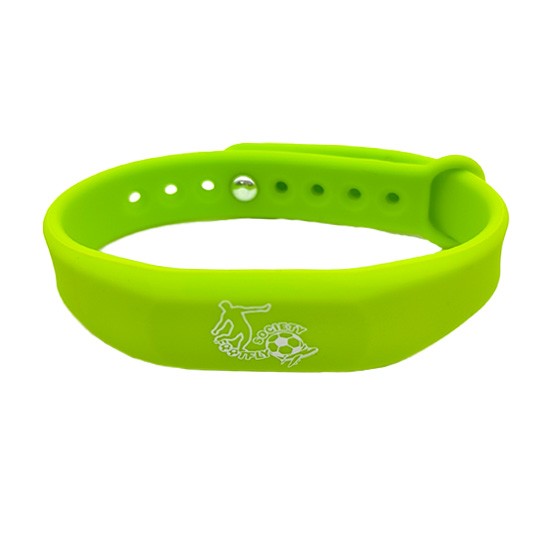
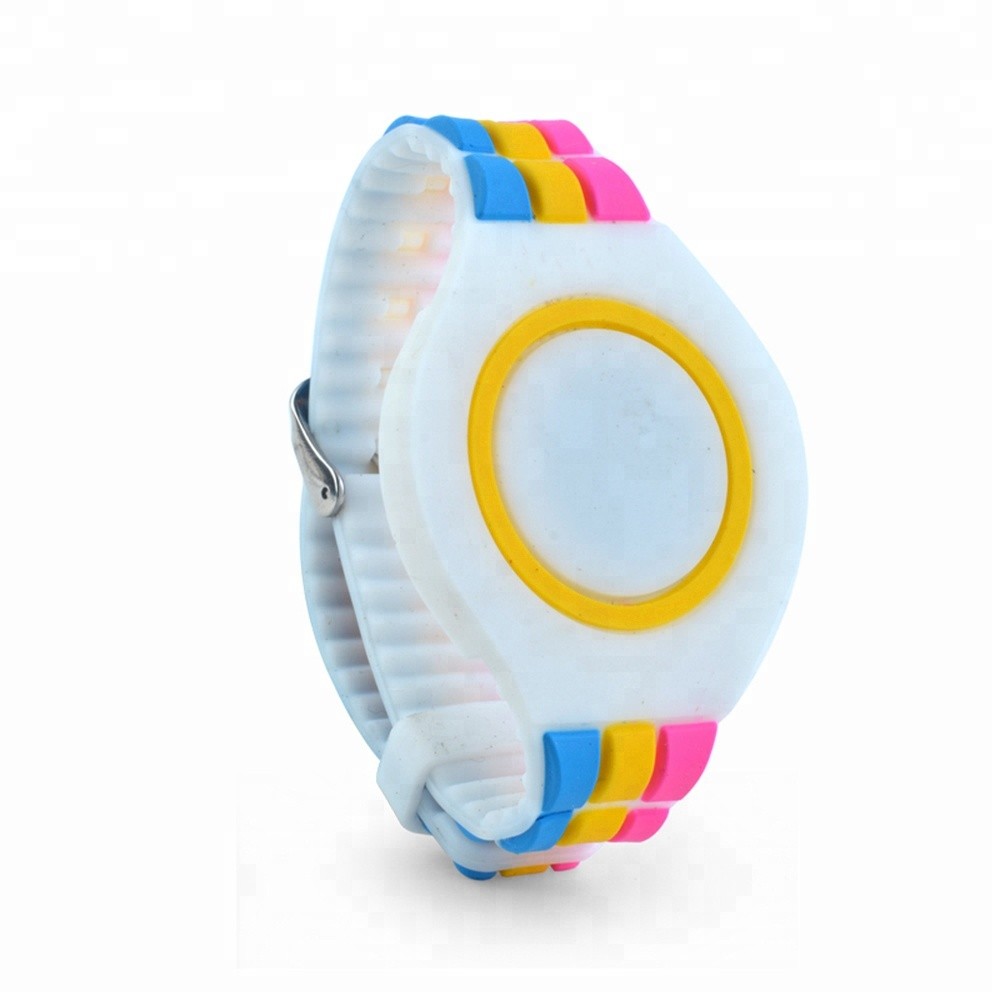
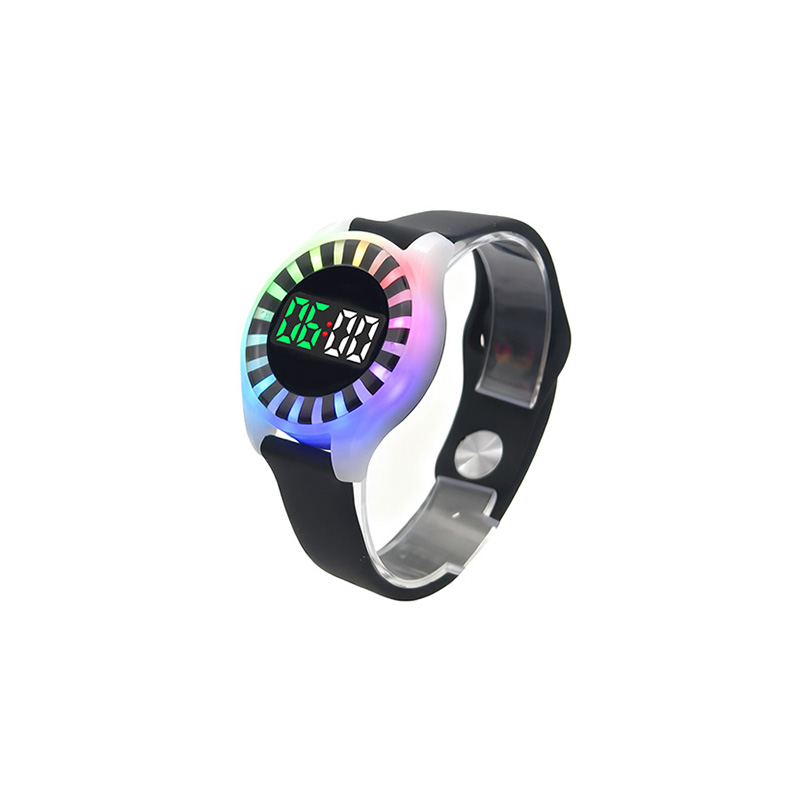
Las pulseras son ideales para entornos donde la comodidad y la durabilidad son importantes, como eventos, parques acuáticos y complejos turísticos. Son impermeables y fáciles de llevar, lo que las hace adecuadas para un uso activo o temporal.
Los llaveros electrónicos son compactos y portátiles, y se utilizan con frecuencia en gimnasios, sistemas residenciales o servicios de estacionamiento. Ofrecen una alternativa práctica para los usuarios que prefieren no llevar tarjetas.
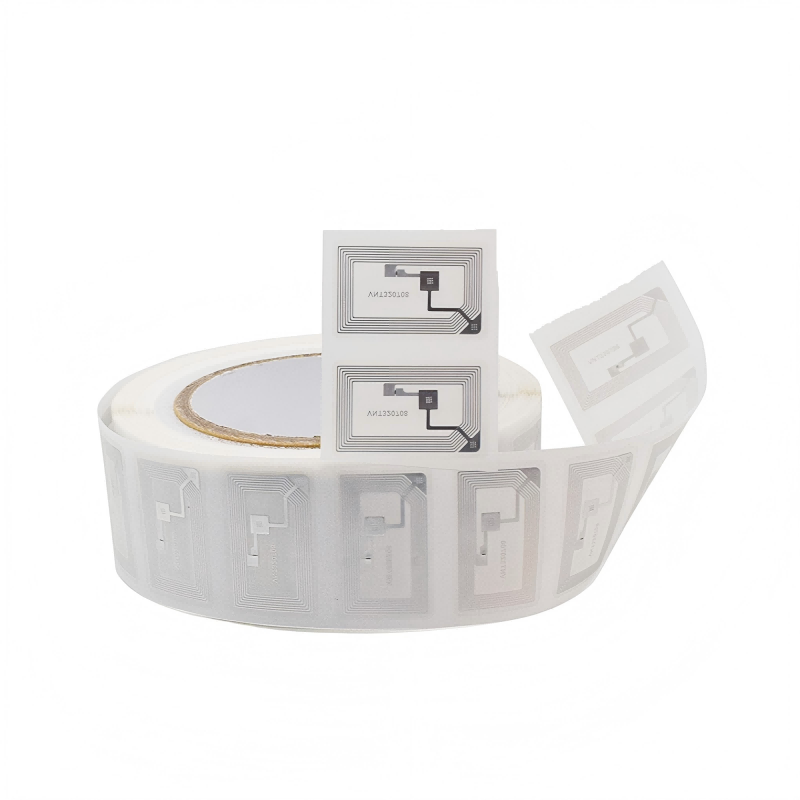
Los productos con tecnología NFC permiten la interacción con teléfonos inteligentes, lo que posibilita los sistemas de membresía basados en dispositivos móviles. Son idóneas para empresas que buscan combinar la identificación física con experiencias digitales.
Productos RFID personalizados
Se pueden desarrollar diseños personalizados para que se ajusten a la imagen de marca o a los requisitos específicos de la aplicación. Esto permite a las empresas crear experiencias de membresía únicas manteniendo la compatibilidad del sistema.

Cómo elegir el producto RFID adecuado
La elección del producto RFID adecuado depende de las necesidades operativas, el entorno y el comportamiento del usuario.
Considere la frecuencia de interacción del usuario.
Los entornos de alta frecuencia requieren una interacción rápida y sencilla. Las tarjetas y pulseras RFID son ideales porque requieren una mínima acción por parte del usuario.
Considerar el medio ambiente y la durabilidad.
En exteriores o entornos de alta actividad se requieren materiales impermeables y duraderos. Para aplicaciones en interiores se pueden usar tarjetas de PVC estándar.
Considere la compatibilidad del sistema.
El producto RFID debe coincidir con la frecuencia del lector (HF, NFC o UHF) para garantizar un rendimiento estable.
Considere la imagen de marca y la experiencia del cliente.
Los productos de membresía también forman parte de la identidad de marca. La impresión y el diseño personalizados pueden realzar el valor percibido del programa.
Tarjetas RFID frente a membresía móvil
Los sistemas de membresía basados en dispositivos móviles son cada vez más comunes, pero no reemplazan las tarjetas RFID en muchas aplicaciones del mundo real.
Ventajas de las tarjetas RFID en los programas de fidelización
Las tarjetas RFID ofrecen varias ventajas operativas, especialmente en entornos físicos:
• identificación más rápida
• No depende de la batería ni del dispositivo.
• Rendimiento constante en escenarios de alto tráfico
Estas ventajas son fundamentales en entornos como las cajas de comercios, la entrada a gimnasios y el acceso a eventos, donde la velocidad y la fiabilidad afectan directamente a la experiencia del usuario.
Ventajas de la membresía basada en dispositivos móviles
Las soluciones móviles ofrecen sólidas capacidades en la interacción digital, entre las que se incluyen:
• análisis de datos de clientes
• Marketing personalizado
• Gestión remota de cuentas
Son especialmente útiles para construir relaciones a largo plazo con los clientes y ecosistemas digitales.
Enfoque híbrido en los sistemas modernos
En muchos proyectos, las empresas combinan ambos enfoques. Las tarjetas RFID se utilizan para una interacción física rápida y fiable, mientras que las plataformas móviles gestionan los datos, la comunicación y el marketing. Este modelo híbrido permite a las empresas equilibrar la eficiencia operativa con la interacción con el cliente.
Conclusión
La tecnología RFID ofrece una solución fiable y escalable para programas de membresía y fidelización. Al permitir una identificación rápida, la recopilación de datos en tiempo real y servicios integrados, las empresas pueden mejorar tanto la eficiencia operativa como la interacción con el cliente. Como fabricante de RFID, apoyamos los proyectos de membresía y fidelización proporcionando tarjetas, pulseras, llaveros y etiquetas RFID personalizadas, diseñadas para diversos entornos y requisitos de sistema.


 Red IPv6 compatible
Chatea ahora
Escanear a WeChat :

Escanear a WhatsApp :

 CATEGORÍAS DE PRODUCTOS