Dejar un mensaje
Si está interesado en nuestros productos y desea conocer más detalles, deje un mensaje aquí, le responderemos lo antes posible.

La industria logística global está evolucionando rápidamente, impulsada por el crecimiento explosivo del comercio electrónico y la creciente demanda de visibilidad de la cadena de suministro en tiempo real.
Una tecnología se está convirtiendo rápidamente en la columna vertebral de las cadenas de suministro de próxima generación: RFID.
En los últimos años, ha surgido una tendencia clara: las operaciones logísticas están pasando del seguimiento a nivel de pallets a la visibilidad a nivel de artículos y paquetes.
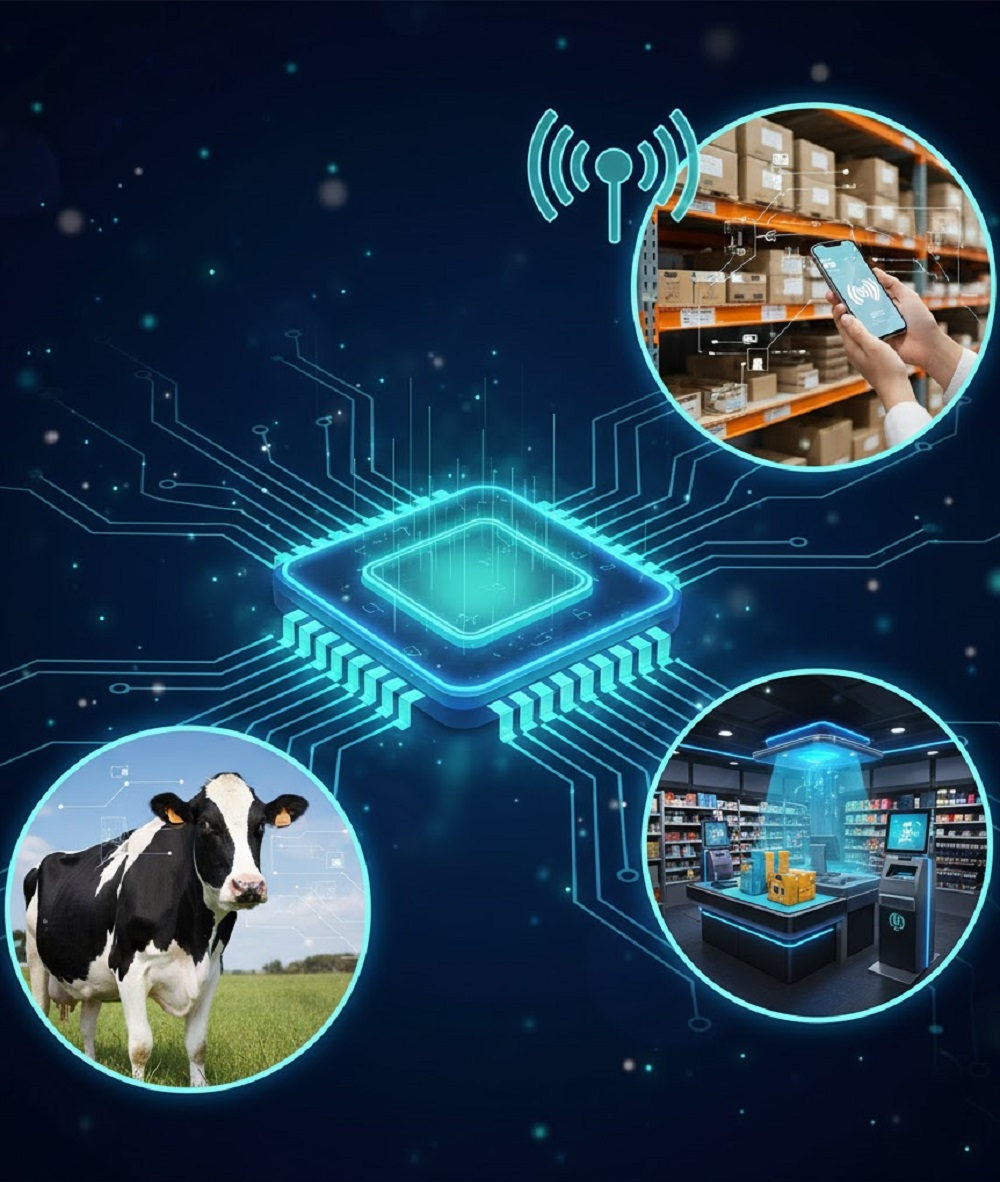
En este artículo, exploramos cómo la RFID permite el seguimiento a nivel de artículos y por qué se está convirtiendo en una tecnología clave para el futuro de la logística.
Del seguimiento de palés a la visibilidad a nivel de artículo
Tradicionalmente, el seguimiento logístico se ha centrado en palés o cajas, en lugar de productos individuales. Carece de la precisión necesaria para los sistemas de distribución de alta velocidad actuales.
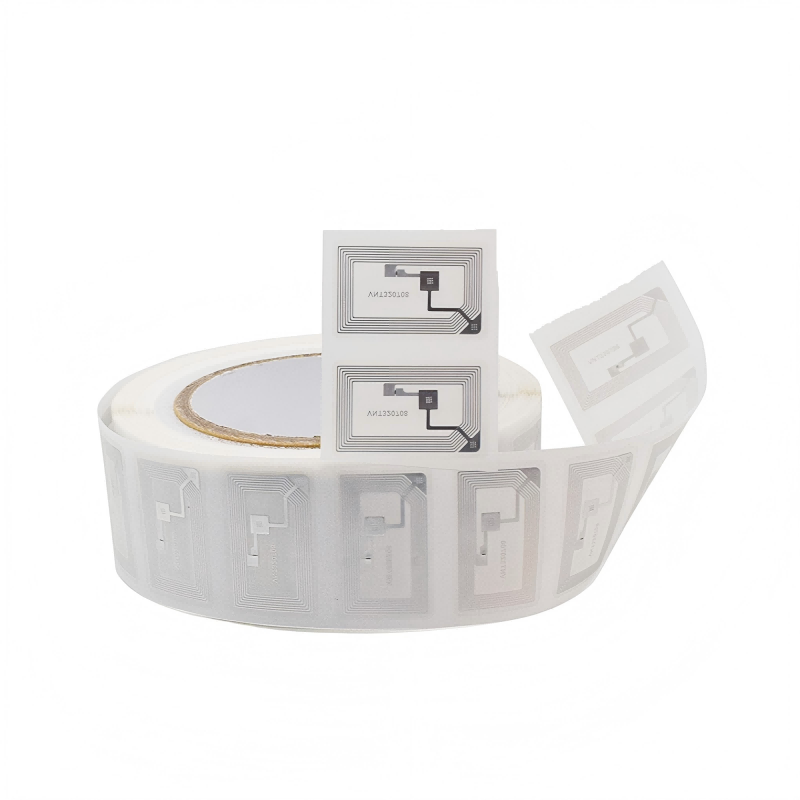
La RFID cambia esto al permitir a las empresas asignar una identidad digital única a cada artículo o paquete individual.
Con etiquetas RFID adheridas a los productos, los almacenes y operadores logísticos pueden detectar y rastrear automáticamente los artículos a medida que avanzan por la cadena de suministro. En lugar de escanear manualmente cada código de barras, los lectores RFID pueden identificar cientos de artículos etiquetados simultáneamente, lo que proporciona visibilidad del inventario en tiempo real.
Esta capacidad mejora drásticamente la eficiencia operativa y reduce el error humano.
Seguimiento RFID a nivel de paquete para la logística del comercio electrónico
La tecnología RFID permite el seguimiento automatizado de paquetes, lo que ayuda a las empresas de logística a gestionar envíos de gran volumen de forma más eficiente.
Al colocar etiquetas o tags RFID en los paquetes, los centros logísticos pueden rastrearlos automáticamente durante etapas clave como:
• recepción de almacén entrante
• líneas de clasificación automatizadas
• carga y despacho
• transferencias cross-docking
• preparación de la entrega final
A diferencia de los sistemas de códigos de barras tradicionales, la tecnología RFID no requiere un escaneo directo en línea de visión. Se pueden identificar varios paquetes al instante al pasar por las zonas de lectura RFID.
Almacenes inteligentes con RFID
Los almacenes modernos están adoptando cada vez más tecnologías de automatización como sistemas de transporte, robótica y software de gestión de inventario inteligente.
La RFID desempeña un papel fundamental en estos entornos al permitir la identificación y el seguimiento automáticos de las mercancías.
Los lectores RFID instalados en puntos de control clave pueden detectar al instante los artículos etiquetados que circulan por el almacén. Esto permite que los sistemas de gestión de almacenes (WMS) actualicen automáticamente los datos de inventario.
Las aplicaciones típicas de RFID en almacenes inteligentes incluyen:
• registro automatizado de inventario entrante
• Seguimiento de la ubicación de las mercancías en tiempo real
• clasificación automatizada de transportadores
• verificación de la precisión del inventario
• seguimiento de activos para pallets y contenedores
Al integrar RFID con los sistemas de automatización de almacenes, las empresas pueden mejorar significativamente la eficiencia operativa y, al mismo tiempo, reducir las discrepancias de inventario.
Lograr visibilidad de la cadena de suministro en tiempo real
Una de las ventajas más importantes de RFID es su capacidad de proporcionar visibilidad en tiempo real en toda la cadena de suministro.
Desde las instalaciones de fabricación hasta los centros de distribución y las tiendas minoristas, la tecnología RFID permite el seguimiento continuo de mercancías sin intervención manual.
Este nivel de visibilidad permite a las empresas:
• monitorear el progreso del envío en tiempo real
• Identificar rápidamente el inventario extraviado
• reducir errores de envío
• mejorar la precisión del stock
• optimizar la planificación de la cadena de suministro
A medida que las cadenas de suministro globales se vuelven más complejas, los datos en tiempo real se vuelven esenciales para una gestión logística eficiente.
RFID proporciona la infraestructura digital necesaria para respaldar esta transformación.
El futuro de la RFID en la logística
A medida que las cadenas de suministro continúan digitalizándose, se espera que la adopción de la tecnología RFID se acelere en industrias como:
• cumplimiento de comercio electrónico
• distribución minorista
• logística de terceros (3PL)
• cadenas de suministro de fabricación
• logística de la cadena de frío
La capacidad de rastrear mercancías a nivel de artículo se convertirá en una ventaja competitiva clave para los proveedores de logística.
Las empresas que inviertan en RFID hoy estarán mejor posicionadas para construir cadenas de suministro transparentes, automatizadas y altamente eficientes.
Conclusión
La tecnología RFID está transformando la logística al permitir visibilidad a nivel de artículo y de paquete en toda la cadena de suministro.
En comparación con los sistemas de códigos de barras tradicionales, RFID ofrece una identificación más rápida, una automatización mejorada y acceso a datos en tiempo real.
A medida que los almacenes y las redes logísticas continúan modernizándose, la RFID desempeñará un papel cada vez más importante en la construcción de cadenas de suministro más inteligentes y eficientes.
Para los operadores logísticos que buscan mejorar la precisión, reducir los costos laborales y obtener visibilidad en tiempo real, la RFID ya no es solo una actualización opcional: se está convirtiendo en una tecnología esencial.


 Red IPv6 compatible
Chatea ahora
Escanear a WeChat :

Escanear a WhatsApp :

 CATEGORÍAS DE PRODUCTOS