Dejar un mensaje
Si está interesado en nuestros productos y desea conocer más detalles, deje un mensaje aquí, le responderemos lo antes posible.

La comunicación de campo cercano (NFC) suele asociarse con los pagos sin contacto. Sin embargo, su mayor valor comercial reside en mejorar la interacción con el cliente. Este artículo analiza cómo la NFC transforma los productos físicos en puntos de contacto interactivos, facilitando el contacto directo con los consumidores y el marketing basado en datos.
Propuesta de valor fundamental: más allá de los pagos
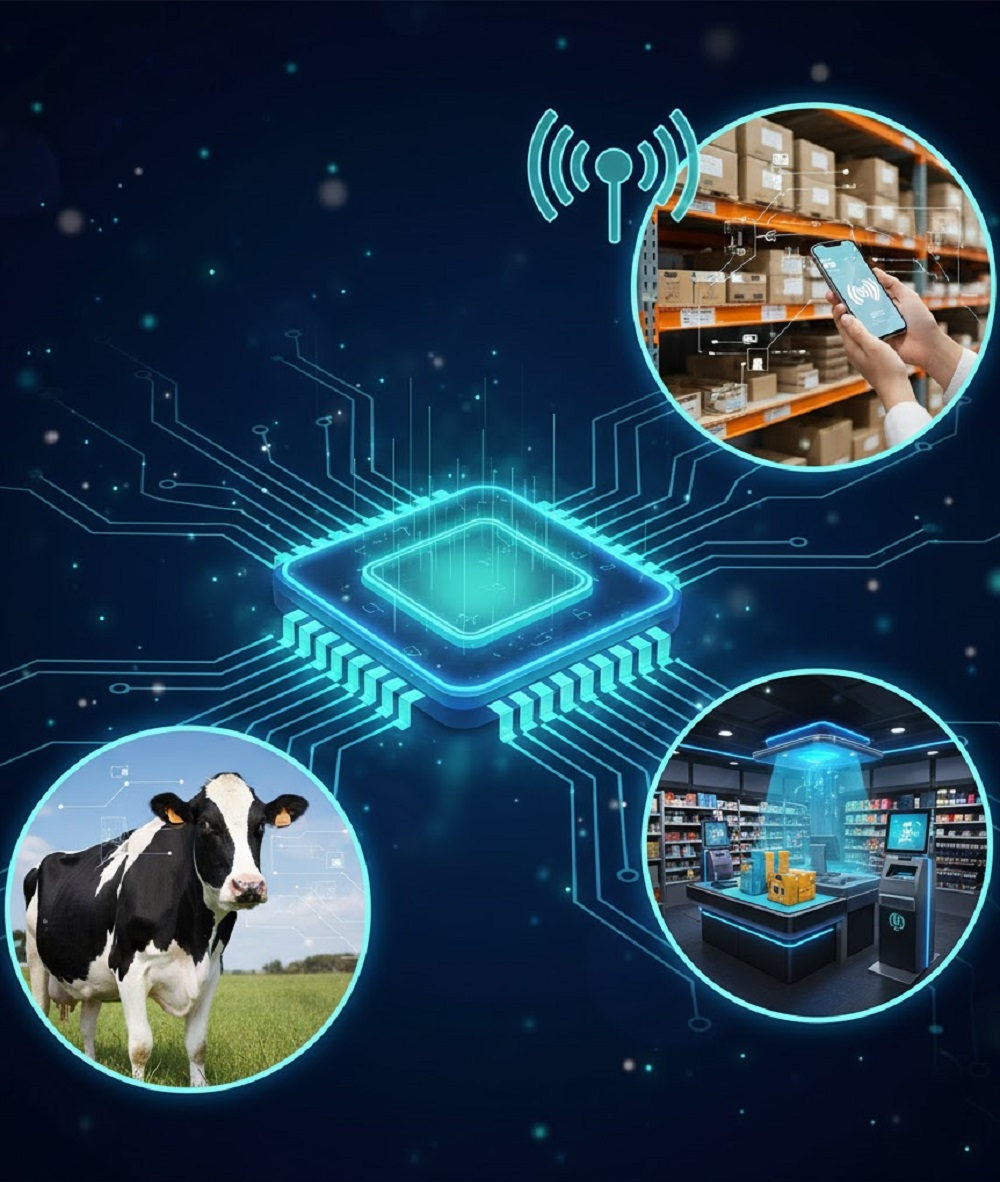
La tecnología NFC establece un canal directo entre los productos físicos y las experiencias digitales. Un simple toque con el smartphone activa múltiples acciones. Esta interacción fluida aumenta la interacción con el cliente.
Aplicaciones empresariales clave
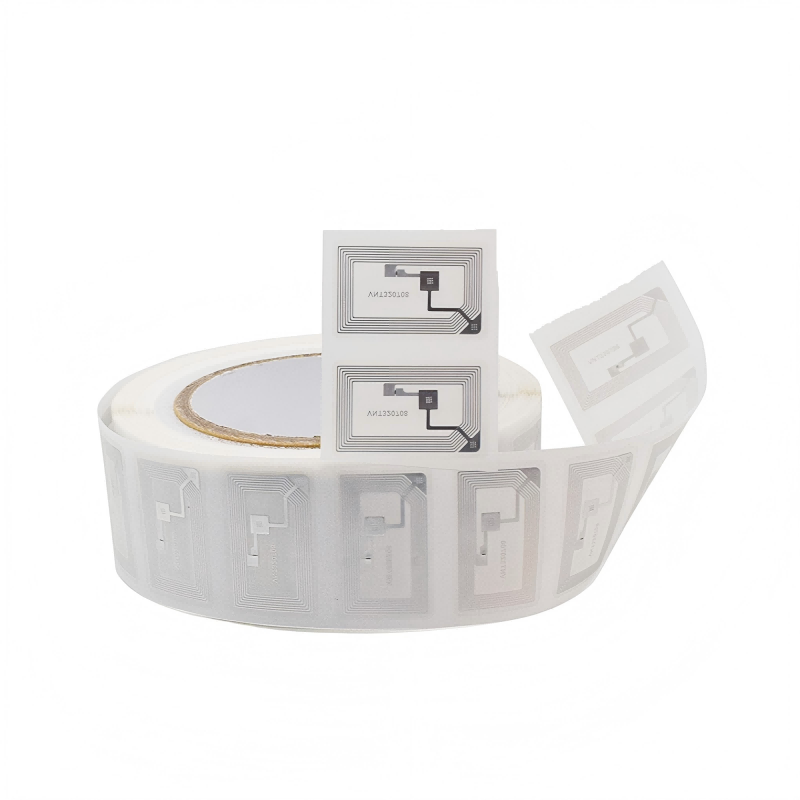
Información dinámica de productos y lucha contra la falsificación: Los embalajes estáticos tienen un espacio limitado y son fáciles de falsificar. Etiquetas NFC a prueba de manipulaciones Proporciona una cantidad ilimitada de contenido actualizable, como descripciones detalladas, datos de procedencia o historias de marca, a la vez que garantiza la seguridad de la identificación del producto. Sus fiables propiedades de resistencia al desgarro son cruciales para las soluciones antifalsificación en sectores clave para la confianza, como el vino, la cosmética, la farmacéutica y los artículos de lujo. Sirve como un recurso digital seguro y siempre disponible.
Habilitación de la conectividad directa al consumidor (DTC): Para las marcas que venden a través de minoristas externos, la tecnología NFC evita intermediarios. Un simple toque en la etiqueta de un producto conecta directamente a los clientes con el sitio web, el servicio de suscripción o el programa de membresía de la marca. Esto permite a las marcas controlar las relaciones con los clientes y recopilar datos propios.
Creando experiencias programables: El destino digital de las etiquetas NFC se puede modificar después de la producción. Esto facilita actualizaciones de contenido, campañas de marketing regionales, ofertas por tiempo limitado o la integración con RA y coleccionables digitales. Aumenta el valor del producto y facilita la interacción posventa.
Medición precisa de las interacciones: Cada toque es un evento medible. Las marcas pueden monitorizar las tasas de interacción, las ubicaciones y los horarios, y asociar los toques con acciones específicas, como visitas al sitio web o ventas. Esto proporciona métricas claras de retorno de la inversión (ROI) e información sobre el comportamiento del cliente.
Comparación de tecnología competitiva
La principal alternativa a la NFC son los códigos QR. La elección depende de las prioridades estratégicas:
Ventajas de NFC: Menor fricción, se puede integrar de forma invisible en productos, ofrece mayor seguridad física y generalmente se considera de mayor calidad. Rendimiento estable en condiciones de poca luz o sobre superficies metálicas.
Ventajas del código QR: Costo incremental casi cero (imprimible), compatibilidad universal con teléfonos inteligentes y alta familiaridad del consumidor.
Consideraciones estratégicas: La tecnología NFC es más adecuada para aplicaciones integradas, de alta frecuencia y de alta seguridad. Los códigos QR siguen siendo eficaces en campañas de lanzamiento a gran escala donde el coste de las etiquetas es un factor limitante fundamental. Pueden servir como herramienta complementaria.
Implementación y perspectivas futuras
La implementación requiere considerar el tipo de etiqueta (estándar o a prueba de manipulaciones), la integración con el sistema backend y la claridad de las instrucciones para el usuario. Las políticas de privacidad y seguridad de datos deben ser transparentes.
El desarrollo futuro de la tecnología NFC se alinea con las principales tendencias regulatorias y económicas, en particular el concepto de Pasaportes Digitales de Producto (DPP). Las etiquetas NFC a prueba de manipulaciones son portadores seguros ideales de datos DPP, proporcionando una transparencia fiable durante todo el ciclo de vida, desde el origen y los materiales del producto hasta las guías de reparación y las instrucciones de reciclaje. Esto convierte a la NFC no solo en una herramienta de marketing, sino en un componente fundamental del cumplimiento normativo, la sostenibilidad y la economía circular en sectores como la automoción y el comercio minorista de lujo.
Conclusión
La tecnología NFC es una inversión estratégica en las relaciones con los clientes y la integridad de los productos. Transforma los productos pasivos en canales de interacción proactivos y seguros, proporcionando valiosos datos directos del consumidor y creando oportunidades para experiencias digitales sostenibles. En un entorno económico donde la autenticidad, la experiencia y la sostenibilidad son factores clave de diferenciación, las soluciones NFC seguras construyen un puente fiable y viable entre el mundo físico y el digital.


 Red IPv6 compatible
Chatea ahora
Escanear a WeChat :

Escanear a WhatsApp :

 CATEGORÍAS DE PRODUCTOS