Dejar un mensaje
Si está interesado en nuestros productos y desea conocer más detalles, deje un mensaje aquí, le responderemos lo antes posible.

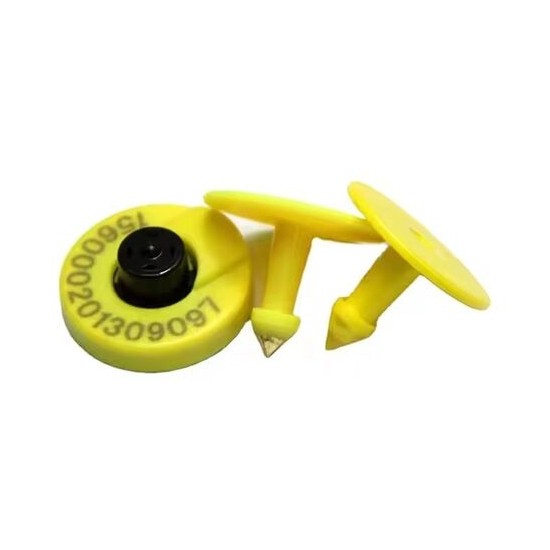
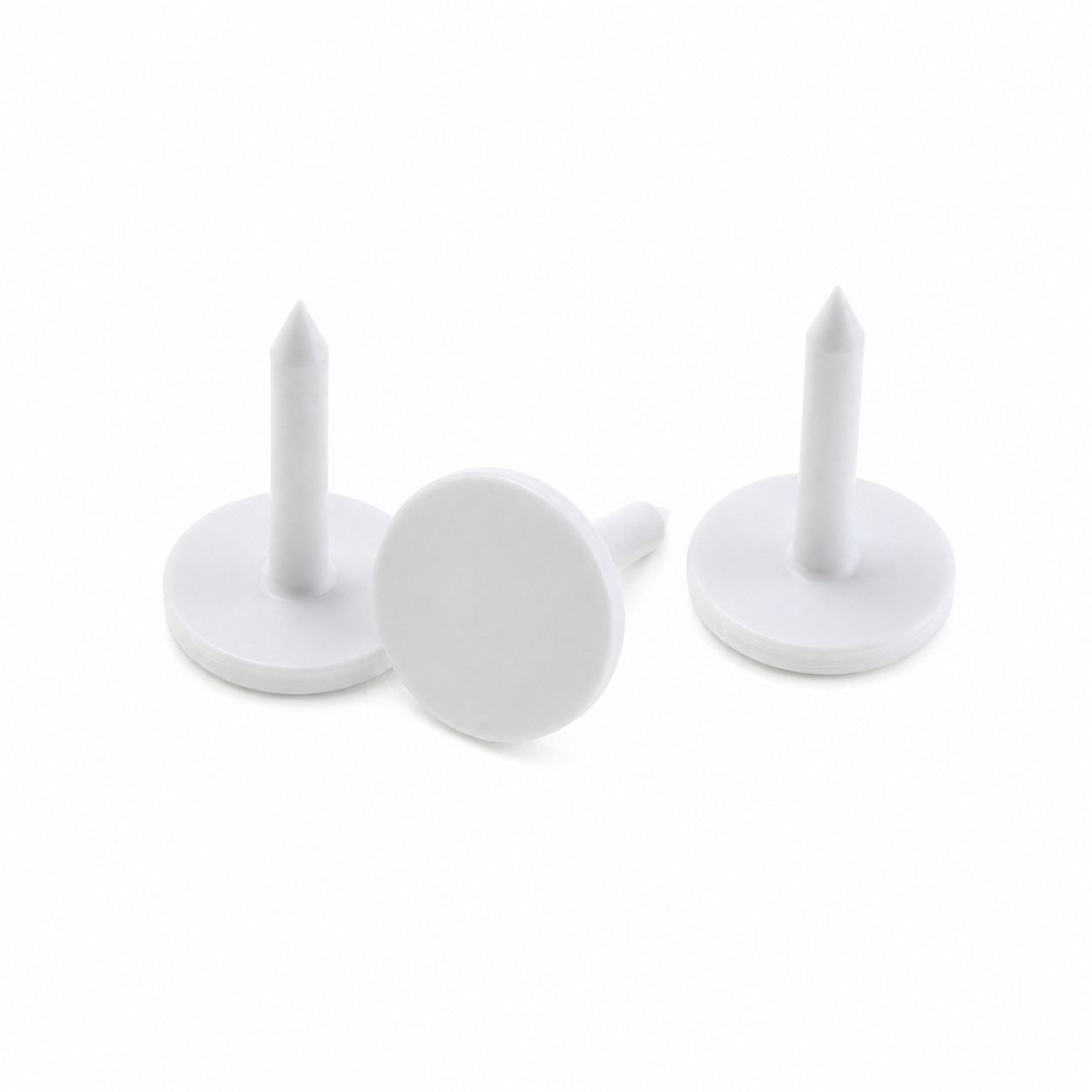
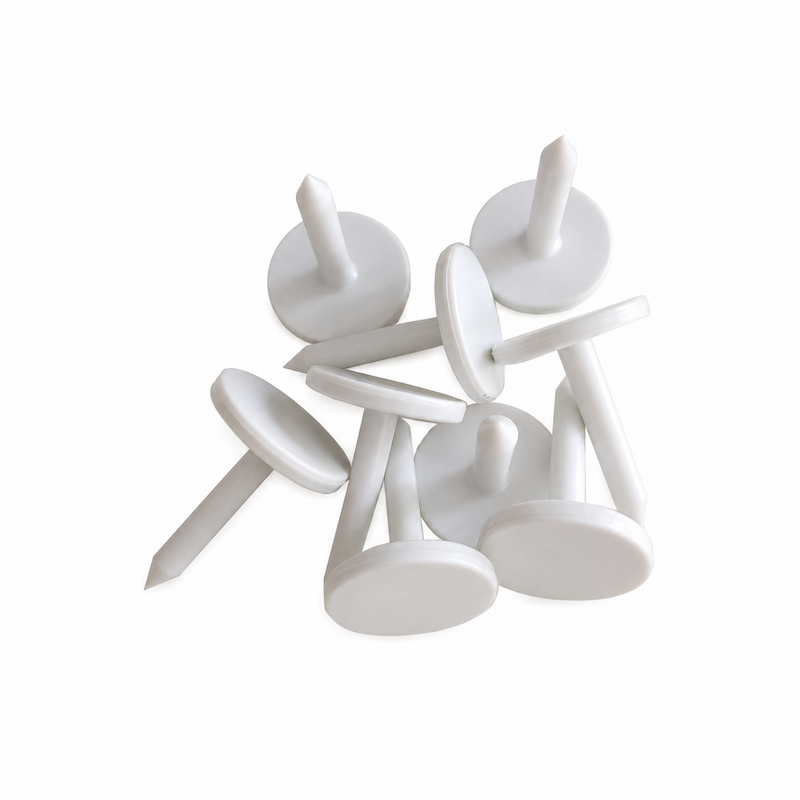
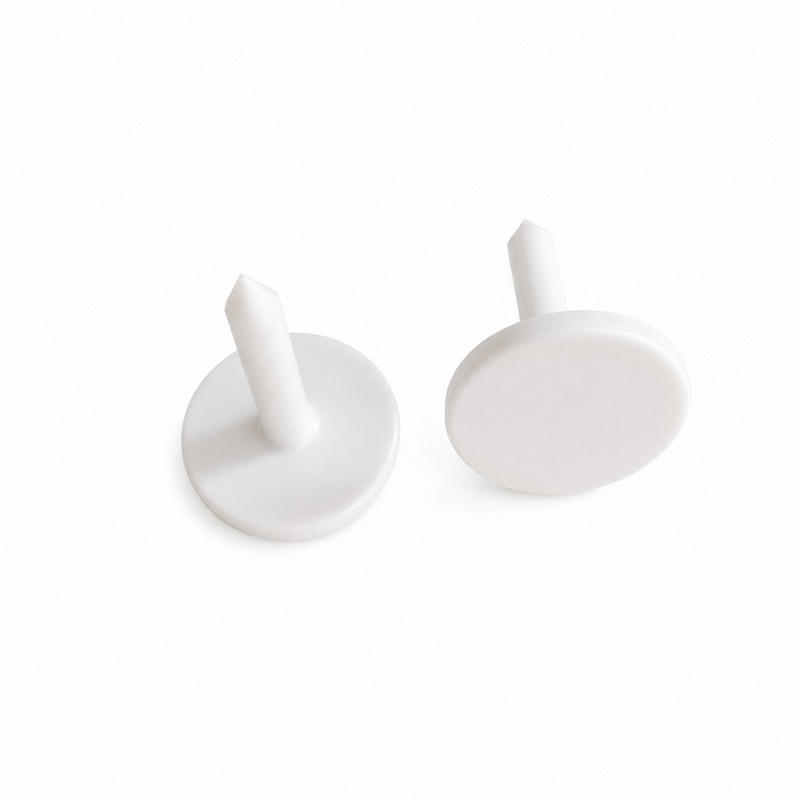
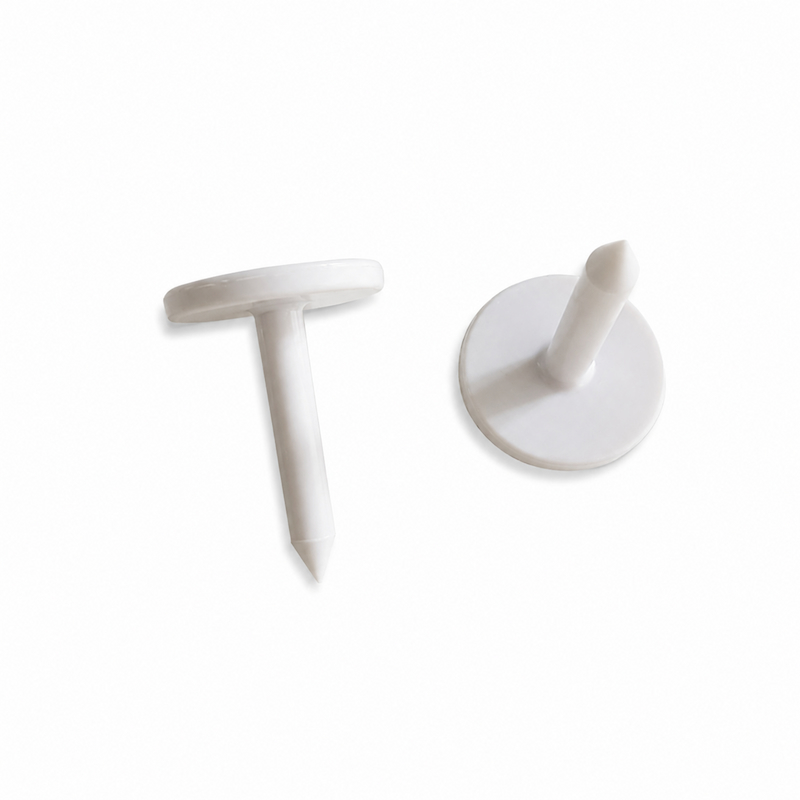
Nuestra etiqueta RFID UHF para clavos está diseñada para la identificación de árboles, la gestión forestal, el seguimiento de troncos, la trazabilidad de la madera y la gestión de activos de madera. Con una estructura puntiaguda en forma de clavo, la etiqueta se puede instalar directamente en la madera, proporcionando una identificación sin contacto fiable para el inventario diario, la inspección y las operaciones de la cadena de suministro.
Pago
Transferencia bancaria, Western Union, PaypalOrigen del producto
Shenzhen, ChinaColor
PersonalizadoPuerto de embarque
Shénzhen, Hong KongPlazo de entrega
7-8 días laborablesMarca
MHMinorador de productos
500En comparación con las etiquetas RFID adhesivas convencionales, esta etiqueta RFID con clavo cuenta con un vástago de plástico puntiagudo que permite su instalación directa en árboles, troncos, madera, palés y otros materiales derivados de la madera. Una vez instalada, la carcasa RFID redonda permanece visible en la superficie para una identificación UHF estable. La etiqueta puede suministrarse con chips NXP UCODE 7 u otros chips UHF y admite codificación EPC, recopilación de TID, marcado de números de serie y servicios de datos personalizados según los requisitos de su proyecto.
Características principales
Estructura de instalación con forma de clavo
El vástago puntiagudo permite insertar la etiqueta RFID directamente en árboles, troncos, madera, palés y otros objetos de madera. Esta instalación mecánica es más adecuada para superficies de madera rugosas o irregulares donde las etiquetas adhesivas convencionales podrían no adherirse correctamente.
Chip RFID UHF integrado
La etiqueta está equipada con un chip RFID UHF pasivo y funciona sin batería. NXP UCODE 7 está disponible para la identificación de árboles, el seguimiento de la madera, la gestión de inventarios y aplicaciones en la cadena de suministro de madera.
Carcasa de plástico duradera
El chip RFID y la antena están protegidos dentro de una carcasa de plástico rígido. Su cabezal redondeado y liso, junto con su vástago puntiagudo, proporcionan una estructura compacta para su instalación e identificación diaria en entornos forestales, aserraderos, almacenes y plantas de procesamiento de madera.
Servicios personalizados de codificación y datos EPC
Cada etiqueta RFID para clavos puede codificarse con un número EPC diferente antes del envío. También podemos proporcionar la recopilación de TID, archivos de correspondencia EPC y TID, números de activos secuenciales y codificación de datos proporcionada por el cliente según los requisitos del sistema.
Adecuado para la gestión de árboles y madera.
La etiqueta RFID proporciona a cada árbol, tronco o activo de madera una identidad electrónica única. Se puede conectar con software de gestión forestal o de activos para registrar información sobre los árboles, historial de inspecciones, lotes de troncos, ubicaciones de almacenamiento, registros de transporte y datos de producción.
Especificaciones del producto
Artículo | Descripción |
Nombre del producto | Etiqueta RFID UHF para clavos |
Material | Plástico de ingeniería |
Tipo de etiqueta | Etiqueta RFID UHF pasiva |
Opciones de chips | NXP UCODE 7; otros chips UHF disponibles según los requisitos del proyecto. |
Color | Blanco; disponible en color personalizado. |
Codificación | Servicios disponibles de codificación EPC, recopilación de TID y cotejo de datos. |
Distancia de lectura | Depende del lector, la antena, la dirección de instalación, el tipo de madera y el contenido de humedad. |
Solicitud | Identificación de árboles, gestión forestal, seguimiento de troncos, trazabilidad de la madera y gestión de activos madereros. |
Personalización | Se admiten fabricantes de equipos originales (OEM) y fabricantes de diseño original (ODM). |
¿Cómo funciona la etiqueta RFID UHF para clavos?
La etiqueta RFID se inserta en un árbol, tronco, producto de madera, palé de madera u otro elemento de madera. Tras la instalación, el lector RFID UHF envía energía de radiofrecuencia para activar el chip pasivo que contiene la etiqueta.
El lector recibe los datos EPC de la etiqueta y los transfiere al sistema de gestión conectado. Cada número EPC puede asociarse con información específica, como la especie del árbol, la fecha de plantación, los registros de inspección, el lote de troncos, la ubicación de almacenamiento, la propiedad, el estado de procesamiento o el historial de transporte.
El rendimiento real de la lectura depende del lector RFID, la ganancia de la antena, la orientación de la etiqueta, la profundidad de instalación, la densidad de la madera y el contenido de humedad. Se recomienda realizar pruebas con muestras de la madera del cliente antes de la producción en masa.
¿Por qué elegir nuestras etiquetas RFID UHF para clavos?
Nuestras etiquetas RFID UHF para clavos combinan la instalación directa en madera, la identificación RFID pasiva, el encapsulado de plástico resistente y servicios de codificación personalizados. Están diseñadas para empresas forestales, proveedores de madera, fábricas de procesamiento de madera, departamentos de paisajismo y proyectos de gestión de activos que requieren un método de identificación más fiable que las etiquetas impresas o los códigos de barras.
Gracias a sus chips UHF personalizables, datos EPC, colores, números de serie y servicios de codificación, las etiquetas se pueden integrar en los sistemas existentes de gestión forestal, de inventario y de la cadena de suministro.
Preguntas frecuentes
1. ¿Qué es una etiqueta RFID para clavos?
Una etiqueta RFID con clavo es una etiqueta RFID rígida con un vástago puntiagudo. Se puede instalar directamente en árboles, troncos, madera, palés de madera y otros elementos de madera para su identificación y seguimiento sin contacto.
2. ¿La etiqueta RFID para clavos requiere batería?
No. Se trata de una etiqueta RFID UHF pasiva que recibe energía para su funcionamiento del lector RFID UHF.
3. ¿Se puede leer esta etiqueta con un teléfono móvil?
No. El chip NXP UCODE 7 es un chip RFID UHF y no puede ser leído por un teléfono móvil convencional con NFC. Se requiere un lector RFID UHF o un terminal portátil compatible.
4. ¿Cómo se instala la etiqueta RFID para clavos?
El vástago puntiagudo se puede presionar o clavar cuidadosamente en la madera. Para maderas duras o secas, se recomienda hacer un pequeño orificio guía antes de la instalación para reducir la resistencia y evitar dañar la etiqueta.
5. ¿Qué chips RFID se pueden utilizar?
El chip NXP UCODE 7 está disponible para este producto. También podemos recomendar otros chips RFID UHF según la memoria requerida, el rendimiento de lectura, la frecuencia de funcionamiento y la aplicación del proyecto.
6. ¿Se pueden codificar datos diferentes en cada etiqueta?
Sí. Podemos codificar un número EPC único en cada etiqueta y proporcionar la recopilación de TID, archivos de coincidencia de EPC a TID o la codificación de datos proporcionados por el cliente antes del envío.
7. ¿Cuál es la distancia de lectura?
La distancia de lectura depende del diseño del chip y la antena, la potencia del lector, la antena del lector, la orientación de la etiqueta, la profundidad de instalación, la densidad de la madera y el contenido de humedad. Recomendamos probar muestras en el árbol o la madera real antes de confirmar la distancia de lectura del proyecto.
8. ¿Qué información debo proporcionar para obtener un presupuesto?
Por favor, indique la cantidad requerida, el tipo de chip, el país de destino o la frecuencia de funcionamiento, el tamaño del producto, los requisitos de codificación, los requisitos de impresión o marcado, la distancia de lectura prevista y el tipo de árbol, tronco, madera o activo de madera en el que se instalará la etiqueta.


 Red IPv6 compatible
Chatea ahora
Escanear a WeChat :

Escanear a WhatsApp :

 CATEGORÍAS DE PRODUCTOS