Dejar un mensaje
Si está interesado en nuestros productos y desea conocer más detalles, deje un mensaje aquí, le responderemos lo antes posible.

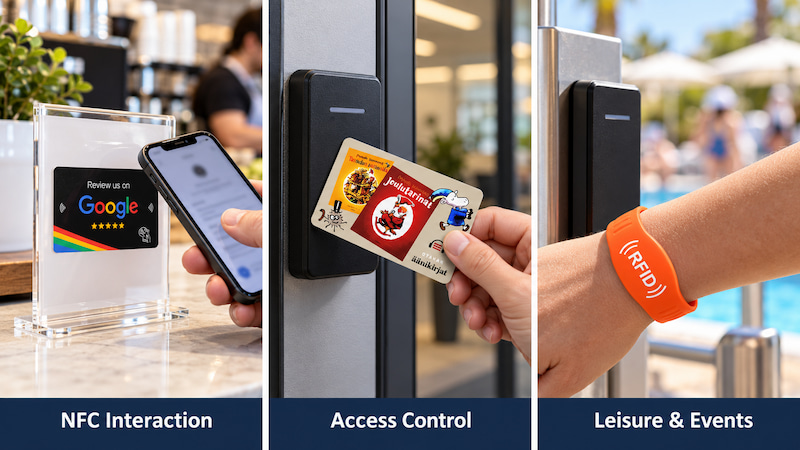
Choose RFID products by application: tags for products and assets, cards for credentials people carry, and wristbands for wearable identification. Then confirm system compatibility, reading requirements, and operating conditions. The right format makes a product convenient to use; the right specifications make it work. This guide focuses on common passive RFID products, which generally do not require batteries.
RFID Tags vs. Cards vs. Wristbands
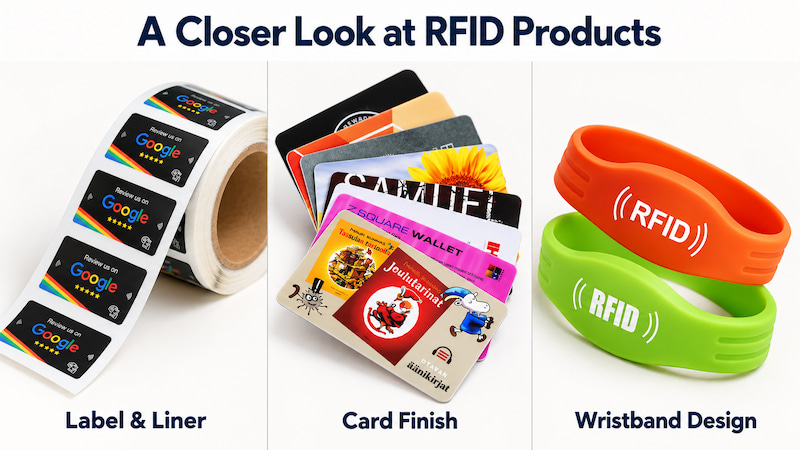
RFID tags, cards, and wristbands typically contain a chip and an antenna. Their main differences are their construction and how they are used.
|
Product |
Common Applications |
Key Selection Factors |
|
RFID tags |
Inventory, asset tracking, apparel, and product identification |
Mounting surface, attachment, size, and reading performance |
|
RFID cards |
Access control, hotel rooms, membership, and identification |
System compatibility, printing, and durability |
|
RFID wristbands |
Events, pools, water parks, and leisure venues |
Fit, material, closure, and single-use or reusable design |
Appearance does not determine compatibility. Identical-looking cards may contain different chips, while the same chip can be supplied in a tag, card, or wristband.
Which Format Fits Your Application?
RFID Tags: For Products and Assets
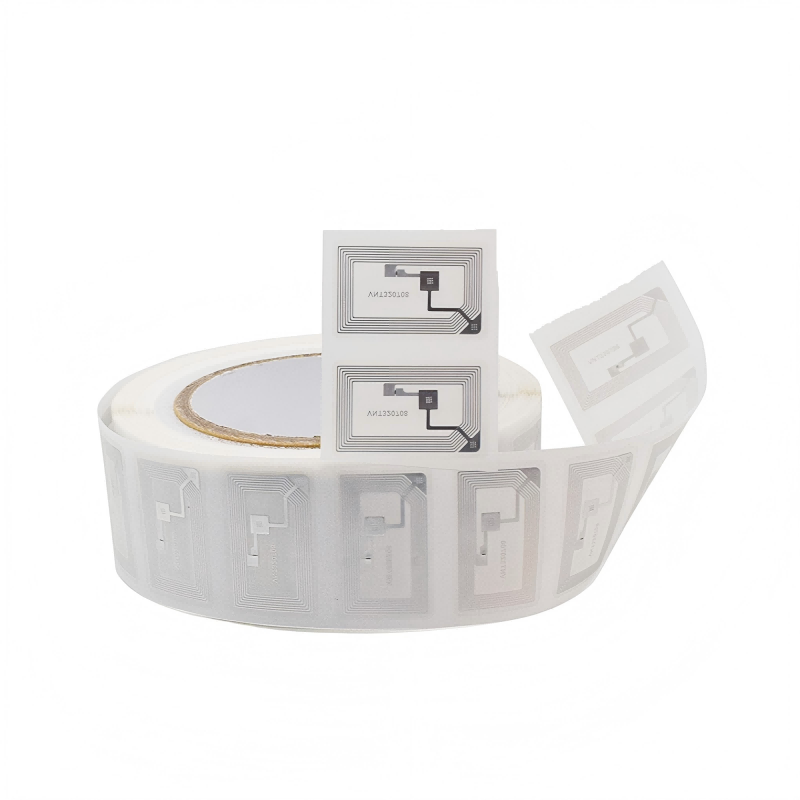
Choose tags when the RFID identifier needs to stay attached to an item. Adhesive labels suit many cartons and packages. Hang tags or sewn labels may suit garments, while equipment may require durable hard tags.
Start with the item's material and attachment method. A label designed for cardboard may not work properly when placed directly on metal. Also confirm whether the tag needs printed text, barcodes, or serial numbers.
RFID Cards: For Credentials People Carry
Cards suit applications where users carry and repeatedly present a credential, such as employee access, hotel rooms, and memberships.
They also provide space for logos, names, photographs, and numbers.
For an existing system, confirm the reader and chip requirements before choosing printing or finishes. A working sample or reader model is more useful for compatibility checks than a photograph of the card.
RFID Wristbands: For Wearable Identification
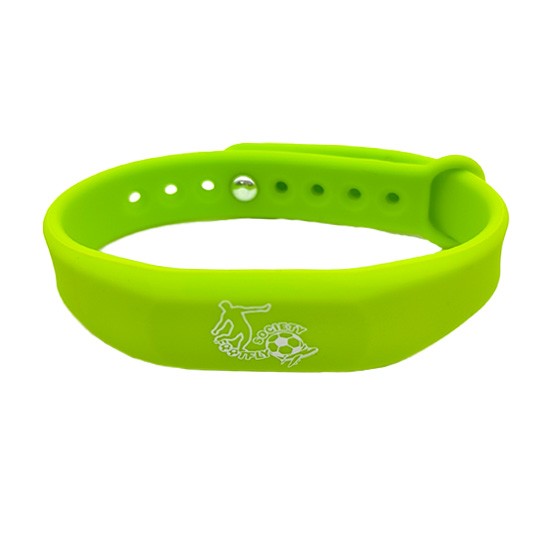
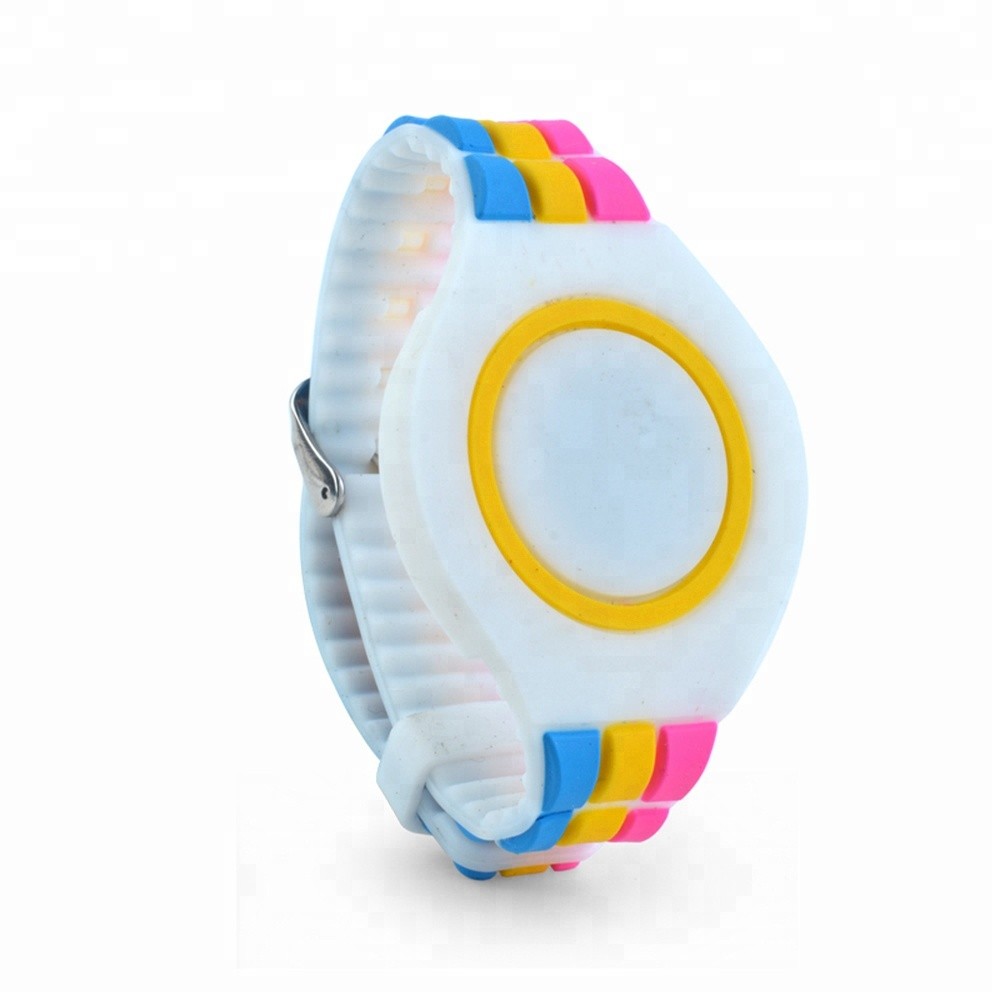
Wristbands suit activities where carrying a card is inconvenient, particularly at events, pools, and entertainment venues.
Choose the construction by use:
Confirm wrist size, comfort, and closure. If preventing transfer matters, check whether the wristband can be removed and refastened.
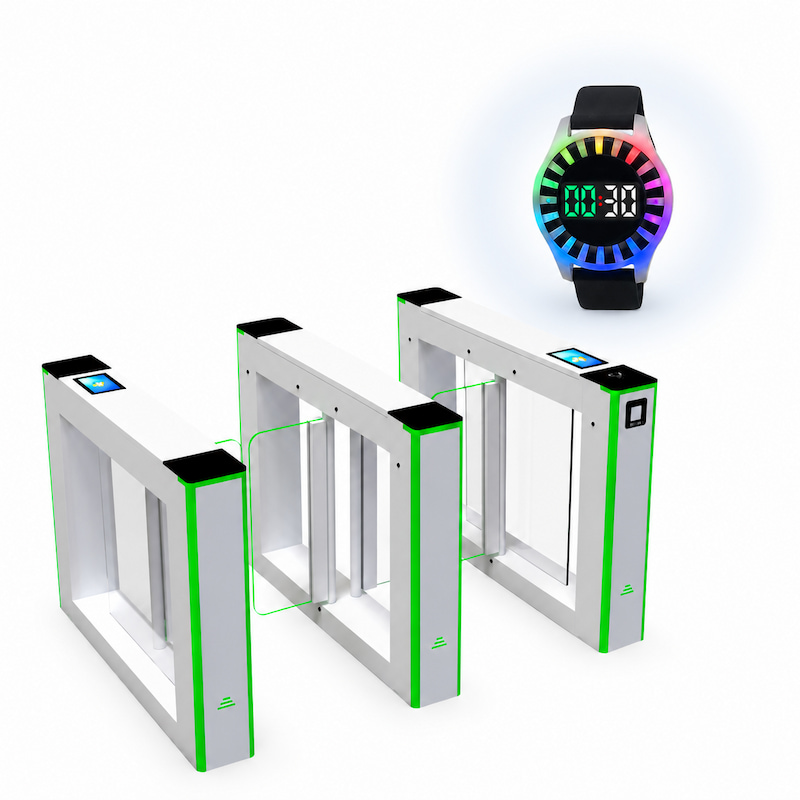
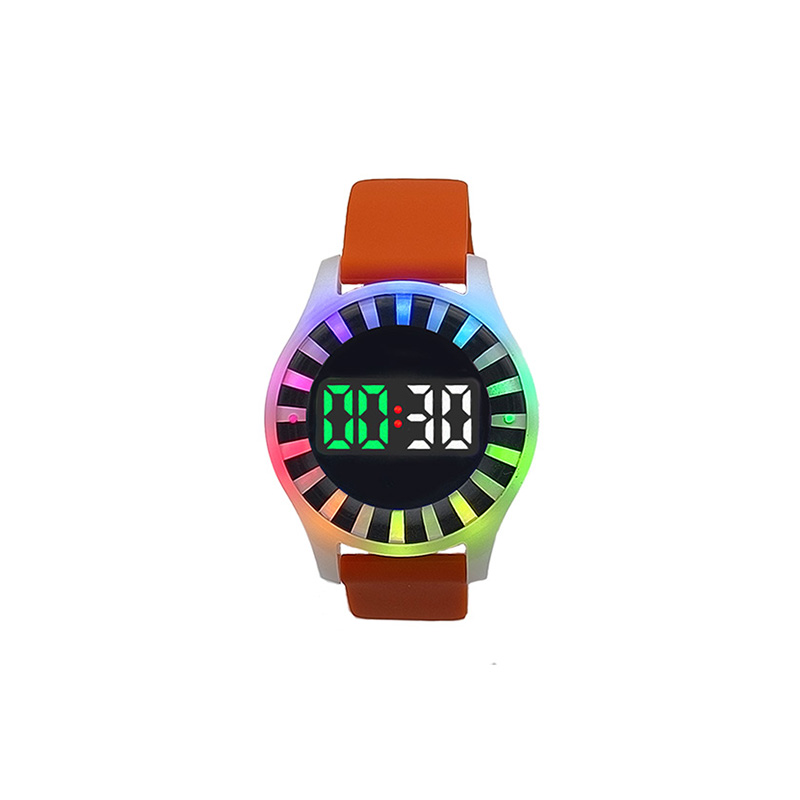
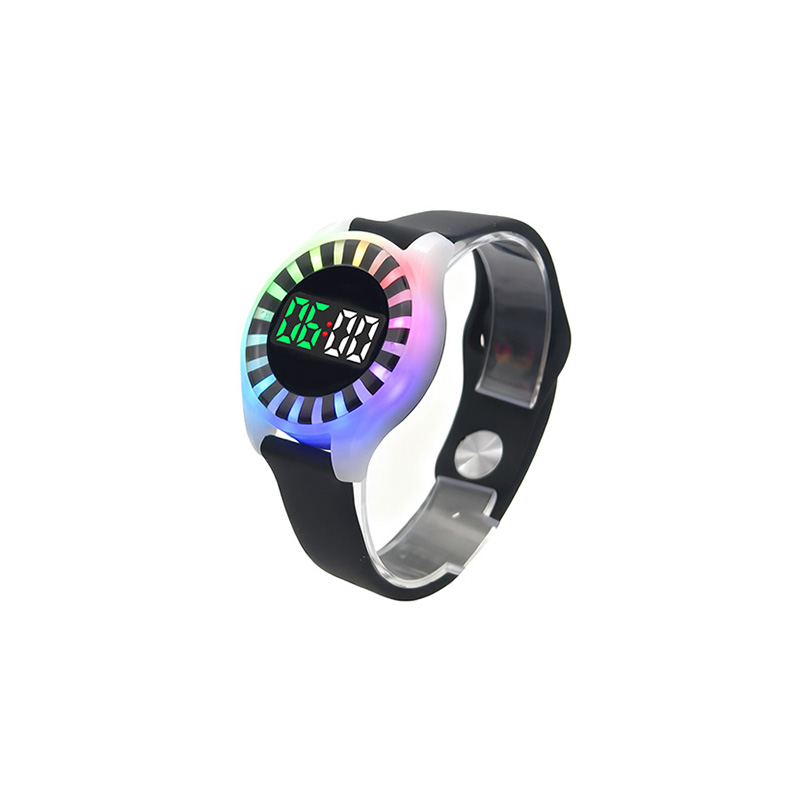
Standard RFID wristbands provide identification. Countdown displays and vibration alerts require additional electronic hardware.
Which Technical Details Matter?
Frequency and System Compatibility
Common RFID technologies include LF, HF, and UHF. NFC operates at 13.56 MHz and supports close-range interaction with compatible devices.
|
Technology |
Common Applications |
What to Confirm |
|
LF |
Certain access control and animal identification systems |
Frequency, protocol, and encoding |
|
HF / NFC |
Access control, ticketing, and smartphone interaction |
Chip, protocol, and device support |
|
UHF |
Inventory, asset tracking, and bulk identification |
Regional frequency requirements, reader support, and antenna performance |
Matching the frequency alone is not enough. The reader and software must also support the protocol, data format, and any authentication requirements.
For access control or stored-value systems, ask the system provider to confirm the chip and security configuration.
Reading Distance and Method
Explain how the product will be read:
Reading distance depends on the complete setup, including the reader, antenna, tag orientation, and environment. For example, a warehouse portal needs to identify passing cartons without repeatedly picking up tags on nearby shelves. A suitable reading zone matters more than maximum range.
Data and Memory
Confirm what needs to be encoded: an identifier, a website URL, or application-specific data. Also specify whether it must remain rewritable or be locked. Many systems store detailed records in a database and use the RFID chip only to identify the item or person. Choose memory for the required data rather than selecting a larger capacity by default.
How Do Materials and Environment Affect Selection?
Tags: Surface and Attachment
Confirm the mounting surface before selecting the label and adhesive. Metal, liquids, curved surfaces, moisture, and low temperatures can affect performance or attachment. Also check whether the tag must withstand washing, heat, chemicals, or abrasion. Printable labels should match the intended printer and printing method.
Cards: Construction and Finish
Confirm dimensions, thickness, material, and printing requirements. For repeated use, consider wear, bending, and cleaning. Custom shapes and punched holes must be planned around the antenna to avoid damage.
Wristbands: Fit and Durability
Check sizing, closure, cleaning requirements, and expected service life. For water applications, confirm the finished wristband’s water-resistance specifications. Material alone does not establish whether the complete product can withstand the intended conditions.
What Should You Provide Before Ordering?
You do not need to know the chip model to start an inquiry. Provide these details where available:
|
Information |
What to Share |
|
Application |
What you need to identify or manage |
|
Existing system |
Reader, printer, or system model |
|
Reading requirements |
Individual or bulk reading, distance, and movement |
|
Environment |
Mounting material, water, temperature, or outdoor exposure |
|
Order requirements |
Quantity, size, printing, encoding, and delivery schedule |
Before bulk production, test samples with your actual readers, software, and operating conditions. Check reading performance alongside attachment, fit, and durability. Once approved, record the chip, materials, dimensions, and encoding requirements as the reference for production.
Common Questions
Can a Smartphone Read Every RFID Product?
No. Smartphone NFC supports compatible 13.56 MHz products. It generally cannot directly read LF or UHF products. Some functions also require a suitable app or access permissions.
Can Tags, Cards, and Wristbands Use the Same Reader?
Yes, if their frequencies, protocols, and chip functions are supported by the reader and system. Physical format alone does not determine compatibility.
Can I Request a Quote Without Knowing the Chip Model?
Yes. Share your application, equipment details, and estimated quantity. These help your supplier recommend suitable options for testing.
To choose the right RFID product, start with the application, confirm compatibility, and test it under real conditions. Looking for RFID tags, cards, or wristbands? Send us your application, existing reader model if available, and estimated quantity. We can help recommend suitable products and samples.


 Red IPv6 compatible
Chatea ahora
Escanear a WeChat :

Escanear a WhatsApp :

 CATEGORÍAS DE PRODUCTOS